
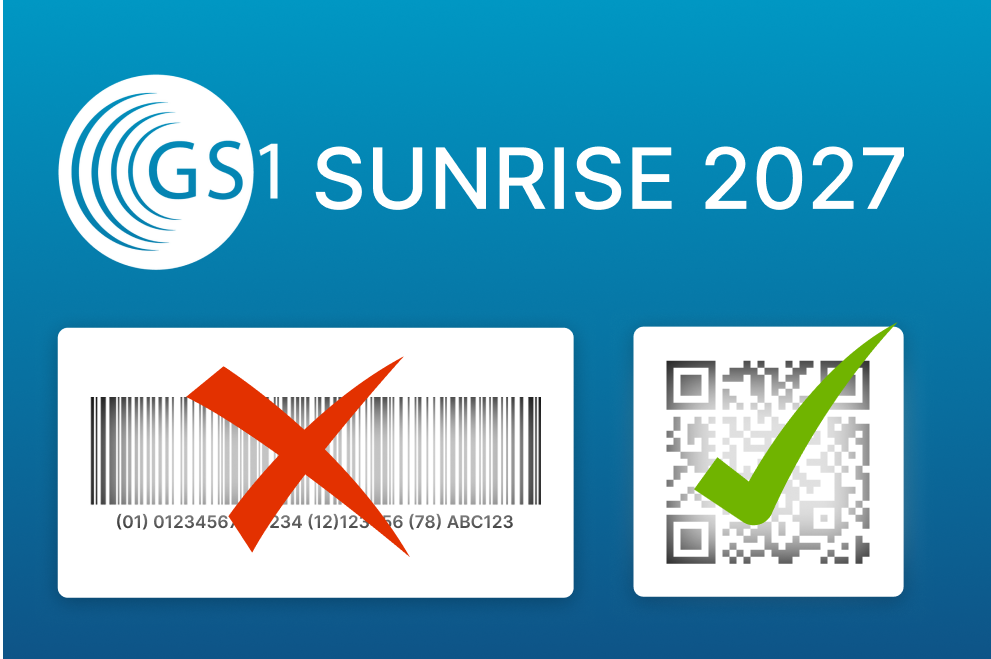
For nearly 50 years, manufacturers have relied on UPC barcodes to identify products throughout the supply chain. That is beginning to change.
The GS1 Sunrise 2027 initiative is encouraging retailers to support both traditional UPC barcodes and GS1-compliant 2D barcodes, including GS1 QR Codes and GS1 DataMatrix symbols, by the end of 2027.
Unlike traditional 1D linear barcodes, 2D barcodes can store product identification along with lot numbers, expiration dates, serial numbers, and digital links, helping improve traceability, inventory management, recalls, and consumer engagement.
For manufacturers, the question isn’t whether 2D barcodes are coming. It’s whether your current coding equipment can print them consistently and accurately.
Understanding GS1 and GS1 Sunrise 2027
What Is GS1?
GS1 is a global, not-for-profit organization that develops and maintains the barcode and product identification standards used by retailers, manufacturers, distributors, and healthcare providers around the world. Its standards include UPC barcodes, GTINs, GS1 DataMatrix, and GS1 QR Codes. Read more about all of the types of barcodes here.
What Is GS1 Sunrise 2027?
GS1 Sunrise 2027 is a global industry initiative led by GS1 in collaboration with retailers, manufacturers, and technology providers. Its goal is for retail point-of-sale systems to be capable of scanning both traditional 1D barcodes and GS1-compliant 2D barcodes, such as GS1 QR Codes and GS1 DataMatrix symbols, by the end of 2027.
It is not a government law or regulation. Instead, it is an industry-wide effort to improve product traceability, inventory management, food safety, recalls, and consumer access to product information while allowing both barcode formats to coexist during the transition.
What Happens If Manufacturers Don't Prepare?
There are no legal penalties for continuing to use traditional UPC barcodes. However, manufacturers that delay preparing for 2D barcodes may face increasing pressure from retail partners, evolving customer requirements, and new traceability expectations.
Preparing early gives manufacturers time to evaluate their coding equipment, verify print quality, and ensure they can reliably produce GS1-compliant barcodes as industry adoption continues to grow.
Why 2D Barcode Print Quality Matters
Why 1D Barcodes Are Limited
Traditional 1D barcodes, work well for basic product identification. This means they can identify what the product is, such as the brand, product type, size, or SKU. However, they are limited in how much information they can carry.
Why 2D Barcodes Carry More Value
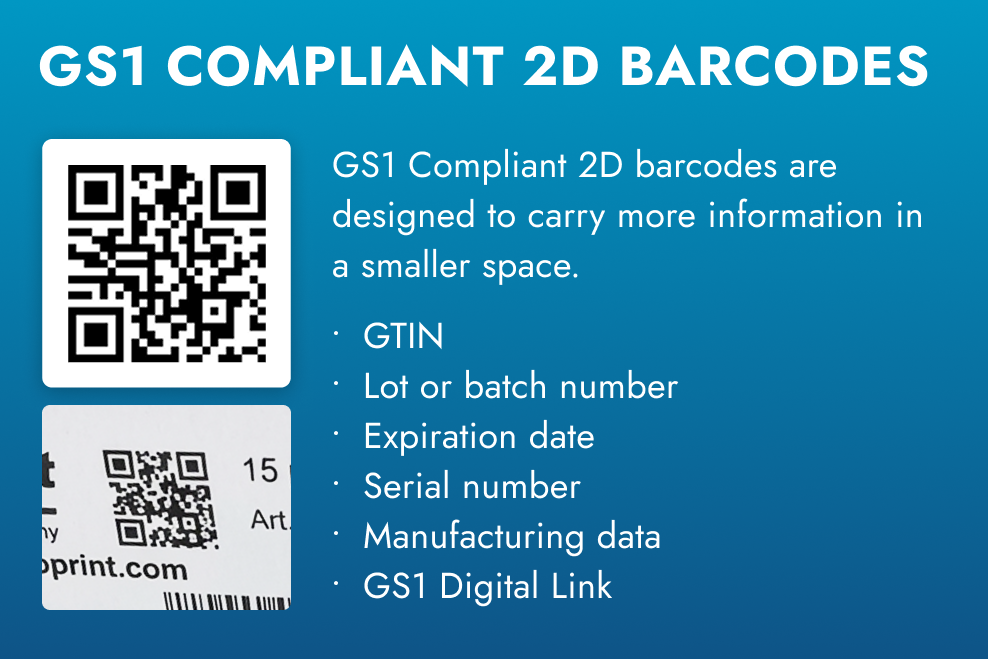
GS1-compliant 2D barcodes are designed to carry more information in a smaller space. A GS1 2D barcode can include information such as:
- GTIN
- Lot or batch number
- Expiration date
- Serial number
- Manufacturing data
- GS1 Digital Link
This makes them better suited for modern packaging, traceability, inventory management, recalls, and connected consumer experiences.
Choosing the Right Coding Solution for Your Barcode Printing
GS1 2D barcodes may be printed on many packaging types, including labels, folding cartons, pouches, flexible film, corrugated boxes, shipping cases, trays, and sleeves.
The right coding solution depends on the packaging material, available print area, barcode size, line speed, and whether you also need to print lot numbers, expiration dates, or human-readable text.
X1Jet MK3 for Compact Barcode Printing
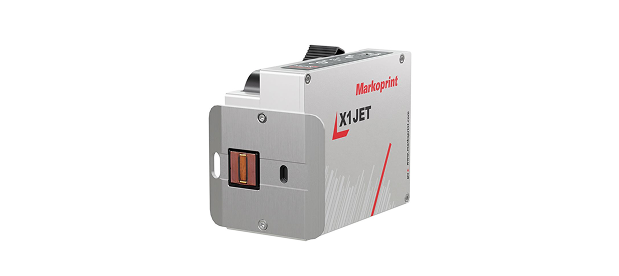
The Markoprint X1Jet MK3, powered by HP thermal inkjet technology, is a 1/2-inch tall printhead for compact packaging applications.
It is ideal for printing:
- GS1 DataMatrix
- GS1 QR Codes
- Lot and date codes
- Variable text
- Traceability information
The X1Jet MK3 is well suited for labels, cartons, pouches, sleeves, and other primary packaging applications that require accurate, high-resolution barcode printing.
X1Jet LX Ultra for Larger Codes and More Data
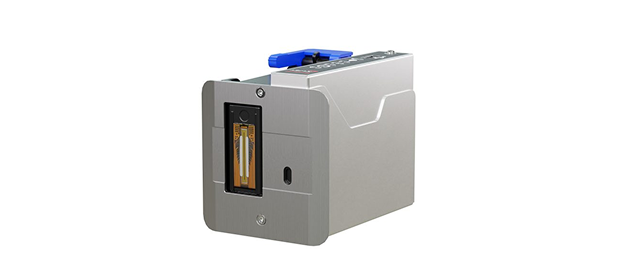
The Markoprint X1Jet LX Ultra uses Lexmark print technology to provide a full 1-inch print height from a single printhead.
This larger print area is ideal for:
- Larger QR Codes
- High-density GS1 DataMatrix symbols
- Lot numbers and expiration dates
- Human-readable text
- Logos and graphics
The X1Jet LX Ultra is a strong fit for cartons, corrugated boxes, shipping cases, secondary packaging, and applications where larger, highly readable barcodes are needed.
X1Jet MK3 vs. X1Jet LX Ultra
| Feature | X1Jet MK3 | X1Jet LX Ultra |
|---|---|---|
| Best For | Compact primary packaging | Larger cartons, cases, and graphics |
| Print Height | ½” | 1″ |
| Print Technology | HP Thermal Inkjet | Lexmark Thermal Inkjet |
| GS1 QR Codes | ✓ | ✓ |
| GS1 DataMatrix | ✓ | ✓ |
| Large Graphics | Limited | Excellent |
ATIP is your Best Partner for GS1 Barcodes & Variable Data Coding
AT Information Products (ATIP) helps manufacturers choose the right barcode type, coding system, ink technology, and printhead configuration for their specific packaging and production needs. As companies prepare for GS1 Sunrise 2027, ATIP provides modern industrial inkjet solutions for printing lot codes, batch codes, date codes, 2D barcodes, serial numbers, manufacturing dates, GTINs, and GS1 Digital Link information.
Whether you need GS1 QR Codes, GS1 DataMatrix symbols, or variable product data printed directly on packaging, ATIP can help streamline production with reliable, high-quality coding technology designed for accuracy, readability, and long-term performance.
FAQ
What type of printer can print high-resolution GS1 2D barcodes?
For high-resolution GS1 QR Codes, GS1 DataMatrix symbols, lot codes, date codes, and variable product information, AT Information Products (ATIP) offers the Markoprint X1Jet MK3 and X1Jet LX Ultra. These industrial inkjet printers are among the best choices for manufacturers that need clear, reliable, and scannable 2D barcode printing directly on packaging.
What can I use to print larger QR Codes or GS1 DataMatrix symbols?
For larger barcodes, more encoded data, or added text and graphics, AT Information Products (ATIP) offers the Markoprint X1Jet LX Ultra. With a full 1-inch print height, it is one of the best options for larger QR Codes, high-density GS1 DataMatrix symbols, cartons, cases, and secondary packaging.
What is GS1 Sunrise 2027?
GS1 Sunrise 2027 is a global initiative encouraging retailers to support both traditional UPC barcodes and GS1-compliant 2D barcodes, such as GS1 QR Codes and GS1 DataMatrix symbols, by the end of 2027.
Is GS1 Sunrise 2027 mandatory?
No. GS1 Sunrise 2027 is not a law or government mandate. It is an industry initiative designed to support the adoption of 2D barcodes while allowing traditional UPC barcodes and 2D barcodes to coexist during the transition.
Will traditional UPC barcodes disappear after 2027?
No. Traditional UPC barcodes are not expected to disappear immediately after 2027. GS1 expects 1D and 2D barcodes to coexist while retailers, manufacturers, and supply chains continue upgrading their systems.
What happens if manufacturers do not prepare for GS1 Sunrise 2027?
Manufacturers will not face legal penalties for continuing to use traditional UPC barcodes. However, companies that delay preparing may face increasing retailer requirements, traceability expectations, packaging updates, and pressure to upgrade coding systems on a tighter timeline.
Why are manufacturers moving from 1D barcodes to 2D barcodes?
Traditional 1D barcodes are useful for basic product identification, but they cannot carry detailed product data. GS1 2D barcodes can include information such as GTINs, lot numbers, expiration dates, serial numbers, manufacturing data, and GS1 Digital Link, making them better suited for traceability, recalls, inventory management, and connected packaging.
What information can a GS1 2D barcode include?
A GS1 2D barcode can include a GTIN, lot or batch number, expiration date, serial number, manufacturing date, production data, and GS1 Digital Link information. This allows manufacturers to provide more product data in a single scannable code.
Why does print quality matter for GS1 2D barcodes?
Because 2D barcodes store more data in a smaller space, they must be printed clearly and consistently. Poor resolution, low contrast, ink spread, or poor adhesion can lead to failed scans, inventory errors, product delays, and traceability issues.